Range Rover Maintenance : Expert Care for Peak Performance & Reliability
Your Range Rover is a symbol of luxury, performance, and advanced engineering. To keep it delivering the power and comfort you expect, regular Range Rover maintenance is essential. Following a proper maintenance schedule helps prevent costly repairs, enhances performance, and ensures your vehicle remains reliable on every drive.
What Is the Range Rover Maintenance Schedule?
The Range Rover maintenance schedule is your vehicle’s personalized care plan, detailing exactly when it needs inspections, servicing, and part replacements. Think of it as a health check-up for your car, designed to keep it running at peak performance. Based on mileage and time intervals, it includes essentials like oil changes, brake inspections, fluid checks, and filter replacements. Best of all, it’s tailored to your specific Range Rover model, so you always know what to do and when to do it.
Neglecting this schedule can lead to small issues becoming serious and expensive problems. A missed oil change, for example, can escalate into major engine damage. By sticking to the plan, you’re investing in the long-term health and performance of your luxury SUV.
Why Is the Maintenance Schedule So Important?
Following the recommended Range Rover maintenance schedule isn’t just about preventing breakdowns—it’s about preserving your vehicle’s power, comfort, and reliability. Skipping services might seem like a time or money saver, but it’s a gamble that can backfire.
Range Rovers are equipped with advanced systems and technology that work together seamlessly. If one component starts to fail, it can trigger issues in other areas, leading to a costly chain reaction. Regular maintenance helps you avoid these problems, keeping your Range Rover safe, efficient, and road-ready for years to come.
Benefits of Sticking to the Service Schedule
- Improved Longevity: Vehicles that are well-maintained last longer. A well-maintained Range Rover can run smoothly for years without major issues, giving you more value from your investment.
- Better Performance: Regular maintenance ensures your Range Rover performs at its peak. This includes smooth handling, better fuel efficiency, and fewer chances of a breakdown when you’re on a road trip.
- Higher Resale Value: If you ever decide to sell your Range Rover, having a full maintenance history that aligns with the manufacturer’s schedule is a massive plus. Buyers are more likely to trust a vehicle that’s been well cared for, which can lead to a better resale price.
- Warranty Protection: Following the service schedule is often a requirement to maintain your vehicle’s warranty. Skipping recommended maintenance could void your warranty, meaning you’ll pay out of pocket for repairs that would otherwise be covered.

Why Regular Oil Changes Are Crucial for Range Rover Maintenance
If you own a Range Rover, you already know it’s not just an average car. These vehicles deliver high performance, offering luxury, off-road adventures, and everything in between. But what keeps this powerhouse running smoothly? Regular oil changes play a crucial role. Neglecting this simple yet vital service can seriously impact your vehicle’s health.
Engine Longevity Starts with Fresh Oil
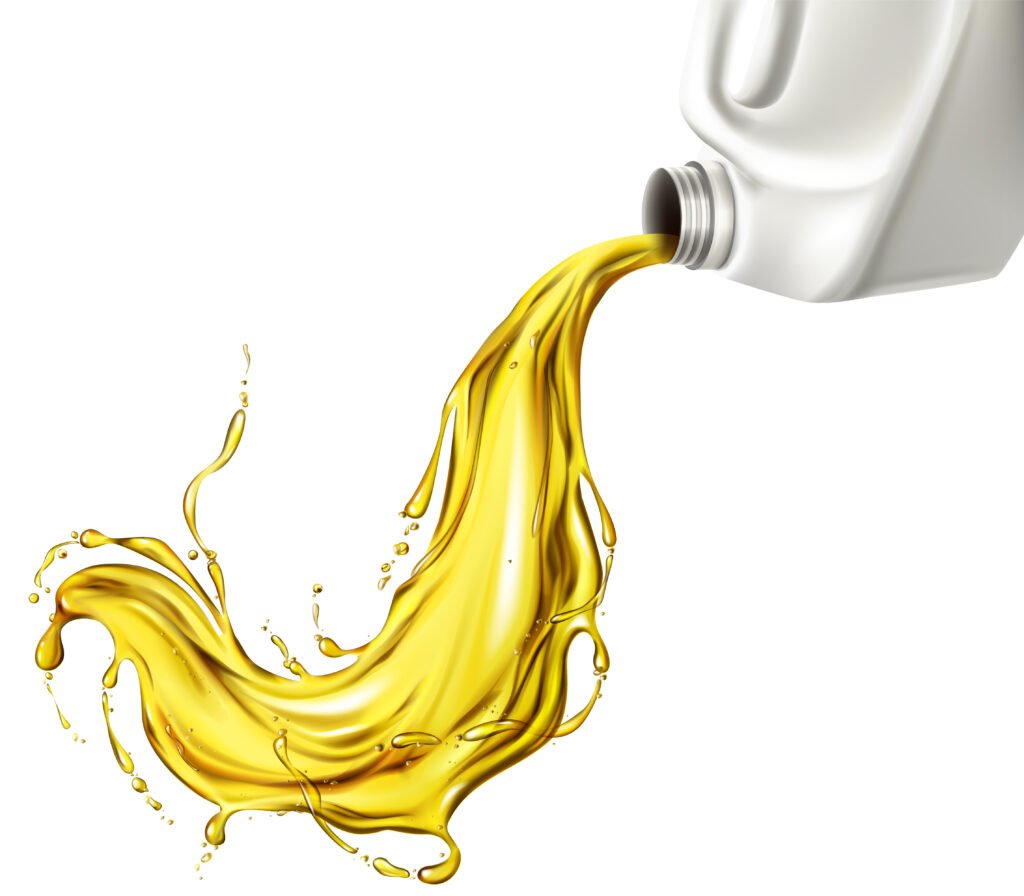
Oil is the lifeblood of your engine. It lubricates all the moving parts, reducing friction and heat. Without fresh oil, these parts can wear out much faster. Regular oil changes ensure that your engine parts move smoothly, reducing wear and tear and helping your vehicle last longer.
For a high-performance vehicle like a Range Rover, engine oil is even more critical. These engines are built for power, meaning they generate more heat than your typical car. Regular oil changes not only keep the engine cool but also help it perform at its best, whether you’re cruising on the highway or navigating rough terrain.
Know More About Oil Change.
Improved Fuel Efficiency
We all know gas prices can take a toll on your wallet, especially when you’re fueling up a Range Rover. However, keeping your oil fresh actually helps improve fuel efficiency. When your engine is properly lubricated, it works less to perform, which means it uses less fuel to run smoothly, giving you better mileage.
Although it might seem like a small detail, the savings add up over time. By making regular oil changes a part of your Range Rover maintenance routine, you not only extend your vehicle’s life but also save money at the pump. It’s a win-win!
Keeps Your Engine Running Smoothly
Your Range Rover isn’t just for show; it’s designed to perform under various conditions. Whether you’re off-roading or cruising around town, you want your engine to run smoothly. Old oil can turn into sludge, clogging the engine and causing it to lose power or even stall. Fresh oil keeps the engine running smoothly, delivering the powerful performance that Range Rovers are known for.
Regular Oil Changes and Warranty Coverage
Did you know that following your Range Rover’s recommended oil change schedule helps you maintain your warranty coverage? Most vehicle warranties require you to adhere to the manufacturer’s maintenance guidelines. If you skip routine oil changes, you could potentially void your warranty, leaving you responsible for repairs that would otherwise be covered.
By keeping up with your oil changes, you not only avoid unnecessary repairs but also keep your warranty intact. This simple step protects both your vehicle and your investment.
Brake and Tire Inspections: Key to Range Rover Maintenance
When it comes to Range Rover maintenance, brake and tire inspections are two things you can’t afford to ignore. Sure, they may seem like basic checks, but these components are crucial for your safety and your vehicle’s performance. Whether you’re cruising on the highway or taking on off-road adventures, making sure your brakes and tires are in top shape is key. Let’s dive into why these inspections are so essential, and why you should never skip them.
Know More About Brake Repair

Your Tires: The Only Contact Between You and the Road
You might not think much about your tires, but they are the only thing connecting your Range Rover to the road. Good tires provide good traction, which is essential for a vehicle designed for luxury and off-roading. Worn-out tires reduce grip, making it harder for your vehicle to handle tricky conditions like wet roads, sand, or gravel. That’s why you must conduct regular tire inspections.
During an inspection, check the tread depth, look for signs of uneven wear, and ensure proper inflation. Low tire pressure reduces your Range Rover’s fuel efficiency and makes handling sluggish. Conversely, too much pressure leads to a bumpy ride and can even cause blowouts.
You should also inspect your tires for alignment and balance. Misalignment causes uneven tire wear, shortening the life of your tires. Regular checks help you maximize mileage and keep your vehicle running smoothly.
The Lifesaving Role of Your Brakes
Now, let’s talk brakes. There’s no question about it—your brakes are your first line of defence when it comes to safety. If your brakes aren’t functioning properly, you’re putting yourself and others at risk. Brake inspections should be part of your regular Range Rover maintenance routine to ensure everything is in working order.
Over time, brake pads wear down, which can lead to decreased stopping power. If you ever hear a squealing or grinding noise when braking, that’s your vehicle telling you it’s time to replace those pads. And while the pads are being checked, your mechanic should also inspect the brake rotors. Warped or damaged rotors can affect your vehicle’s ability to stop efficiently, and that’s the last thing you want when you’re behind the wheel.
Brake fluid is another critical component that often gets overlooked. If the fluid level is low, your brakes might feel spongy, reducing your ability to stop quickly. Regular brake inspections include checking fluid levels and making sure there’s no air in the system.
Why Inspections Are More Than Just a Quick Check
Tires can look fine but still be worn out internally. Similarly, your brake system could seem to be working perfectly but have underlying issues, such as worn-out components or old fluid that’s lost its effectiveness.
That’s why a professional inspection is crucial. Certified Range Rover technicians have the tools and knowledge to spot these hidden problems before they turn into costly repairs or, worse, safety hazards. A tire that blows out or a brake system that fails can lead to accidents that no one wants to think about.

The Long-Term Benefits of Regular Inspections
Regular brake and tire inspections are about more than just safety,they’re also about saving money in the long run. Identifying small issues early on can prevent them from becoming bigger, more expensive problems later. For instance, replacing worn-out brake pads is a relatively simple and inexpensive fix. But if you ignore the problem, you could end up damaging your rotors, which is a much costlier repair.
The same goes for tires. Driving on worn or under-inflated tires can lead to uneven wear, forcing you to replace them sooner than necessary. And don’t forget, maintaining good tire pressure can improve your Range Rover’s fuel efficiency, saving you money at the pump.
Fluids, Filters, and Belts: Essential for Range Rover Longevity
When it comes to Range Rover maintenance, it’s easy to focus on the big, flashy components like tires and brakes. But what about the smaller, less glamorous parts like fluids, filters, and belts? These may not get as much attention, but they play a vital role in keeping your Range Rover running smoothly. Ignoring them can lead to bigger problems down the road.
Fluids: The Lifeblood of Your Range Rover
You wouldn’t drive your Range Rover without fuel, right? Well, it needs other fluids just as much to function properly. Engine oil, coolant, brake fluid, transmission fluid—they all play crucial roles in keeping your vehicle’s systems running efficiently. Skipping fluid checks can result in engine overheating, poor brake performance, and even transmission failure.
Each fluid has its specific purpose. For example, engine oil lubricates the moving parts in your engine, reducing friction and preventing wear and tear. Coolant helps regulate the engine’s temperature, preventing it from overheating, especially in off-road situations. Regularly checking and topping off these fluids is an easy but essential part of Range Rover maintenance. And don’t forget,dirty or low fluids can cause damage to expensive components, so keeping them fresh is key.
Filters: The Unsung Heroes
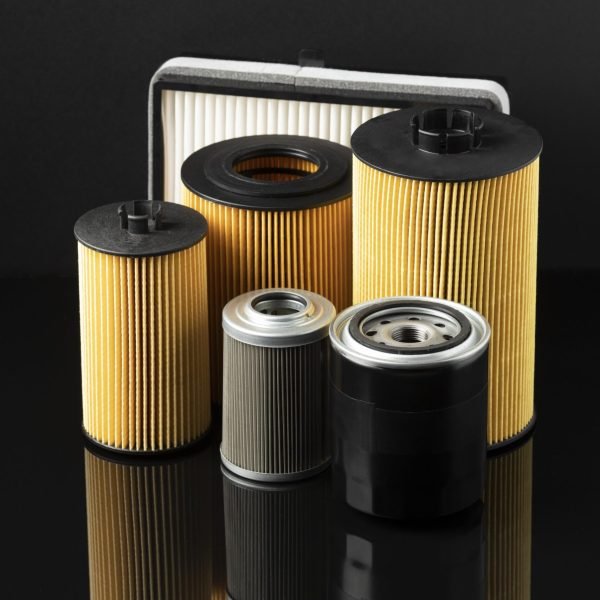
Filters might not seem like a big deal, but they quietly work in the background, keeping everything in your Range Rover clean and functioning efficiently. Your engine has an oil filter, an air filter, and a fuel filter. Each one plays a role in ensuring that harmful contaminants don’t enter your engine or other crucial systems.
The air filter, for example, prevents dirt and debris from entering your engine. A clogged air filter can reduce engine efficiency, leading to poor fuel economy and decreased performance. Similarly, the oil filter catches dirt and debris in your engine oil, preventing it from circulating and causing damage. Over time, these filters get clogged, so replacing them regularly is essential to keeping your Range Rover in peak condition.
Your engine needs clean air and oil to operate smoothly. By changing your filters regularly, you help your Range Rover breathe easier, which in turn keeps it running better.
Belts: Small But Mighty
Belts are one of those small components that often get overlooked, but they play a critical role in keeping your Range Rover running.
Regular belt inspections are a simple but important part of Range Rover maintenance. Look for signs of wear like cracks, fraying, or glazing. If you spot any of these issues, it’s time for a replacement. Belts may seem small, but they’re vital for keeping everything running smoothly.
Why You Shouldn’t Skip the Small Stuff
Skipping a routine fluid check might not seem like a big deal, but running low on transmission fluid could lead to slipping gears or even transmission failure. Similarly, a clogged air filter might not stop your engine from running, but it could reduce performance and fuel efficiency, costing you more in the long run.
In conclusion, staying on top of your Range Rover’s maintenance schedule is key to keeping it in peak condition. Regularly servicing small components like fluids, filters, and belts, alongside essential checks like brake and tire inspections, can save you from costly repairs and ensure your safety. Simple tasks like routine oil changes not only extend your engine’s life but also maintain your vehicle’s performance and efficiency.