Top 5 Common Range Rover Issues and How Regular Maintenance Can Prevent Them
Owning a Range Rover is a luxury, but maintaining it properly is the key to ensuring a smooth and hassle-free driving experience. Like any high-performance vehicle, Range Rovers come with their share of common issues. However, with regular maintenance, you can prevent most of these problems before they become expensive repairs. Let’s dive into the top five common Range Rover issues and how to keep them at bay.
1. Air Suspension Problems: Keeping the Ride Smooth
One of the standout features of a Range Rover is its air suspension system, designed to deliver a smooth, luxurious ride. Over time, however, air suspension components can wear out, leading to sagging suspension, uneven ride height, and a bumpy driving experience. Regularly inspecting the suspension system, checking for leaks, and replacing worn-out air springs can help maintain optimal performance and prevent costly repairs.

2. Electrical System Glitches: Staying Connected on the Road
Modern Range Rovers are packed with advanced electronics, from infotainment systems to climate controls. However, electrical glitches can be a common issue, leading to malfunctioning screens, erratic sensors, or even battery drain. Routine battery checks, software updates, and ensuring proper connections can help keep your electronics running smoothly and prevent unexpected electrical failures.
3. Engine Overheating: Keeping the Heart of Your Car Cool
The powerful engine under the hood of a Range Rover demands a well-maintained cooling system to function efficiently. Neglecting coolant levels or failing to flush the radiator periodically can result in overheating, leading to severe engine damage. To avoid this, make sure to check the coolant regularly, inspect hoses for leaks, and replace the radiator fluid as recommended in the owner’s manual.
4. Transmission Issues: Ensuring Seamless Gear Shifts
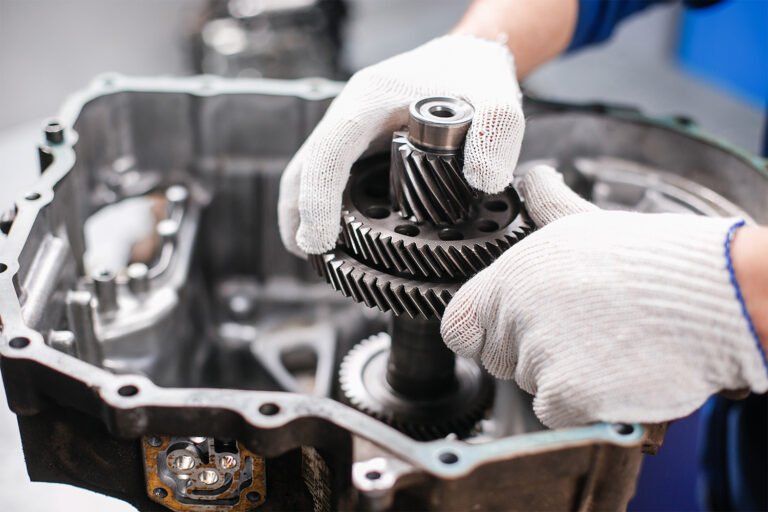
A well-functioning transmission is essential for a smooth and responsive drive. Some Range Rover owners experience transmission slipping, rough shifting, or delayed acceleration due to worn-out transmission fluid or faulty components. Regular transmission fluid changes, filter replacements, and timely diagnostics can help prevent these issues, ensuring a seamless driving experience.
Ignoring transmission issues can lead to costly repairs and potential breakdowns. If you notice warning signs like unusual noises, gear hesitation, or transmission warning lights on your dashboard, it’s crucial to get a professional inspection immediately. A well-maintained transmission not only enhances performance but also extends the lifespan of your Range Rover, providing you with a reliable and efficient driving experience.

5. Oil Leaks: Protecting Your Engine’s Health
Oil leaks are one of the most reported problems in older Range Rovers. These leaks often originate from valve cover gaskets, oil coolers, or seals. Ignoring an oil leak can lead to low oil levels, increased engine wear, and even potential engine failure. Routine inspections and timely gasket replacements can keep your engine well-lubricated and running efficiently.
Preventive Maintenance: The Key to Longevity
Now that you know the most common issues, let’s discuss how preventive maintenance can help you avoid them. Sticking to a regular service schedule, checking essential fluids, inspecting key components, and addressing minor issues before they escalate can extend the life of your Range Rover and enhance its performance.
Importance of Professional Inspections
While DIY maintenance can go a long way, having a professional mechanic inspect your vehicle periodically ensures that no underlying issues go unnoticed. A trained technician can identify potential problems early, recommend necessary repairs, and help you stay ahead of costly breakdowns.
Using Genuine Parts for Repairs
When it comes to replacing components, always opt for genuine or high-quality aftermarket parts designed specifically for your Range Rover model. Using substandard parts may lead to compatibility issues, premature failures, and costly repairs down the line. Investing in reliable, manufacturer-approved components ensures optimal performance, longevity, and a smoother driving experience while maintaining the value of your vehicle. Additionally, high-quality parts enhance fuel efficiency, reduce wear and tear on surrounding components, and minimize the risk of unexpected breakdowns. Regular maintenance and the use of premium parts contribute to overall vehicle safety, providing peace of mind whether you’re driving in the city or off-road.

Final Thoughts
Caring for your Range Rover doesn’t have to be overwhelming. Following these Range Rover maintenance tips can help you prevent common problems, save money on repairs, and enjoy a trouble-free driving experience. Regular maintenance is the best investment you can make in keeping your luxury SUV performing at its best for years to come.